news /
Did Samurais have mercy?
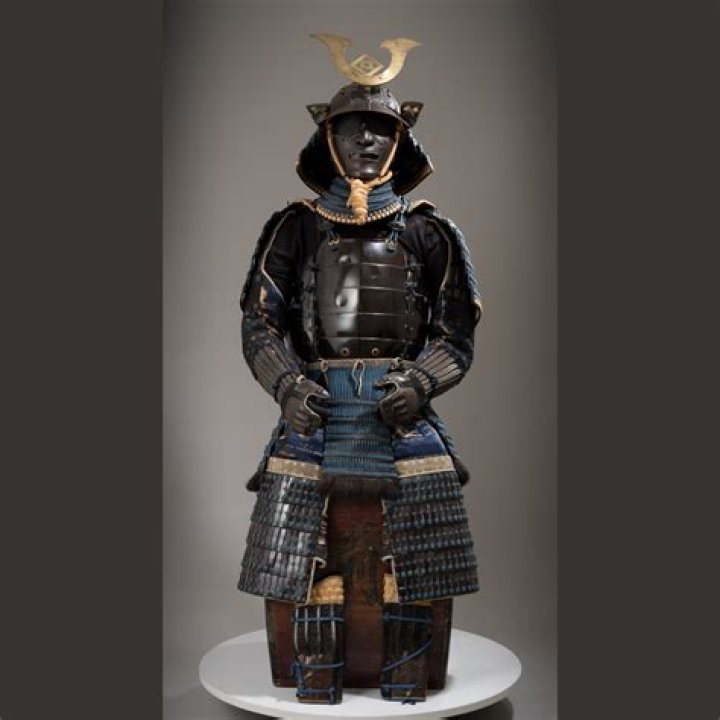
Jin – Mercy or Benevolence
This is to ensure that the warrior fought for the right reason and belief; it is also to guarantee that if there was no need to kill, the samurai would have mercy.Did samurai actually have honor?
Honor was so important to the samurai that they would frequently take their own lives in the face of failure, or if they had violated Bushido. This honor-bound suicide became very ritualized, taking the form of seppuku.Did samurai have a code of honor?
Samurai lived by a strict code of honor and morals related to their behavior in their daily lives and battle. This unwritten code of honor is known as The Bushido. The Bushido code served as the guide for the Samurai in life, battle, and even death.What rules did samurai have to follow?
The Bushido Code
- I. Rectitude or Justice. Bushido refers not only to martial rectitude, but to personal rectitude: Rectitude or Justice, is the strongest virtue of Bushido. ...
- II. Courage. ...
- III. Benevolence or Mercy. ...
- IV. Politeness. ...
- V. Honesty and Sincerity. ...
- VI. Honor. ...
- VII. Loyalty. ...
- VIII. Character and Self-Control.
What are the 7 codes of the samurai?
The code itself stresses eight ideals or virtues, which samurai are supposed to follow until the day they die: Benevolence, Courage, Respect, Sincerity, Righteousness, Honor, Self-Control and Loyalty. By following them, a samurai could fulfill his duties to his lord and to Japanese society as a whole.What a Samurai vs. Mongol Battle Really Looked Like
What were samurai not allowed to do?
From 1591, samurai were no longer permitted to be both farmers and warriors and had to choose one living or the other, the idea being this would make them more dependent and so more loyal to their masters.What religion did samurai follow?
Various forms of Buddhism played a major role in the life of the samurai, and we find this influence throughout several pieces on display. Buddhism arrived in Japan during the sixth century and quickly became a powerful force for the ruling class.What happens if a samurai loses his honor?
Only the fear of dishonor and loyalty to his daimyo motivated the true samurai. If a samurai felt that he had lost his honor (or was about to lose it) according to the rules of bushido, he could regain his standing by committing a rather painful form of ritual suicide, called "seppuku."What are 5 characteristics of a samurai?
Bushido mentions the eight virtues of a Samurai being: Morality, courage, compassion, politeness, honesty/sincerity, respect, loyalty, character plus self-cControl.How would a samurai lose his honor?
Seppuku is the samurai's honorable way of dying through his own hand. The samurai bushido honor code explicitly states that a samurai can perform seppuku voluntarily rather than fall into the hands of the enemy and likely be subjected to torture, or because he has brought shame to himself.Why are samurais so strong?
Traditional Japanese katanas are famed for their incredible strength and cutting ability. Methods of making and perfecting these blades were developed in Japan as early as the 5th century.What is the samurai motto?
Samurai Quotes On Death, Loyalty & Learning"A samurai should always be prepared for death – whether his own or someone else's." - Stan Sakai. 2. "Engage in combat fully determined to die and you will be alive; wish to survive in the battle and you will surely meet death."
How do you respect a samurai?
Respect (礼 rei).A samurai should always respect his enemy. A samurai respects his opponent before and after the fight. Even if a samurai kills his opponent, he is very respectful to the corpse.