general /
How do most steakhouses cook steak?
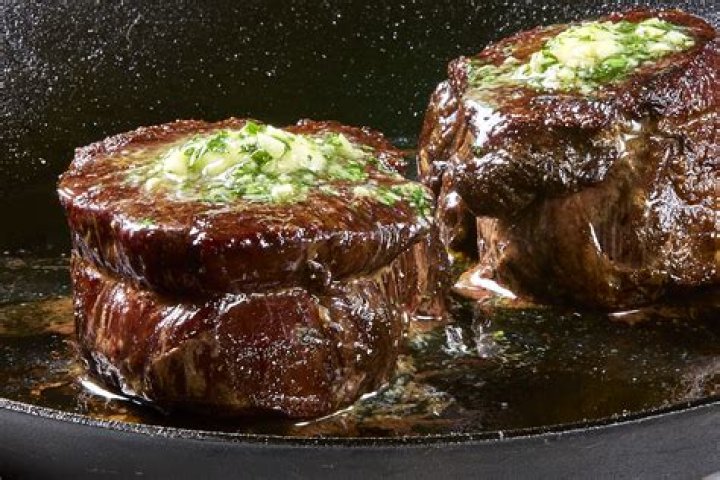
Most big steakhouses broil their steaks. Yes, there are few "grills" out there, though some restaurants may still grill their steaks in a way that you and I would recognize. Many restaurants, though, use overhead, infrared broilers that produce incredible temperatures
to cook
At its most basic, cooking means applying heat to food. Whether the food is baked, fried, sautéed, boiled, or grilled, it's all cooking. Evidence suggests our ancestors began cooking over an open fire over 2 million years ago.
› what-is-cooking-995428
How do steakhouses get their steaks so tender?
The beef cut needs to be in direct contact with incredibly high heat to produce a dazzling tenderized steak. Steak needs a little seasoning to make it tender. It can be seasoned with sea or kosher salt, coarse ground black pepper, butter, and parsley.How do steakhouses grill their steaks?
A restaurant's wood-fired grills can reach upwards of 700° F, and fancy steakhouses use infrared grills that can get over 1,000° F. The best way to replicate those conditions is to use a charcoal grill, but a smoking-hot cast-iron skillet works in a pinch, too.Why do chefs put butter on steak?
Adding butter to steak adds extra richness and can also soften the charred exterior, making a steak more tender. But a good Steak Butter should complement the flavor of a steak, not mask it.How does Outback Steakhouse cook their steaks?
According to Outback, there are only two ways to cook a steak. You either season and sear it or you wood-fire grill it. But no matter what, they'll cook it to your perfect temperature—guaranteed.How to Grill a Steak at Bern's Steakhouse - Chef Hab
Do steakhouses reverse Sear?
Reverse Sear Steaks for Edge to Edge PerfectionIt turns out this technique is almost foolproof for cooking thick-cut steaks to rare / medium-rare perfection. Most of the big-name steakhouses use this method (they just don't advertise it).
Do steakhouses use sous vide?
Steakhouses across the U.S use sous vide cooking as a way to prepare large quantities of steaks, in anticipation of a large service. This allows them to cut down on prep, and speed up service from the kitchen to the floor.Is it better to broil or pan fry steak?
Thick-cut steaks are almost always better broiled than pan-fried. The direct, intense heat of the broiler can blacken and burn the outside of the meat long before it is cooked through on the inside.Does pounding steak tenderize it?
But pounding is a quick and easy way to tenderize a steak. Pounding also has the advantage of flattening the meat, which allows it to cook more quickly and more evenly. The longer a steak spends over the heat, the drier it gets. And since dry meat is tougher, preserving the juices will produce a more tender steak.Do steakhouses use butter?
A juicy steak with just salt and pepper is delicious and satisfying on its own, but when topped with a dollop of garlic butter, it becomes a rich and unctuous affair, which is why many steakhouses offer a savory pat of butter atop their sizzling cuts of meat.How does Peter Lugers cook their steaks?
Steaks at Peter Luger are cooked on the broiler, where they are seasoned only with salt and clarified butter. "We believe in, as my great-grandfather would say, simple goodness," Berson told Insider in February.Is it better to sear or reverse sear a steak?
The traditionally seared one went a lot faster and had a great crust on the outside. But the reverse seared one was cooked way more even all the way through, with no under-or overcooked areas. It also retained its moisture better, resulting in a tender, flavorful end product.Which is better reverse sear or regular sear?
A steak cooked via the reverse sear will come out with a better crust, and thus a deeper, roastier flavor. That said, sous vide is even more foolproof than reverse-searing.Why is reverse sear steak better?
More Control Over DonenessSlow and controlled cooking allows a chef to ensure that a steak is prepared completely to a guest's satisfaction. The reverse sear prevents accidental overcooking and creates an even amount of doneness throughout a steak.